Getting Paid as a Freelancer in Uzbekistan: Payoneer, Wise, Taxes, and Self-Employment in 2026

Every week someone in a Tashkent developer chat asks the same question: “The client wants to pay me — what do I tell them?” The answers are usually half-remembered, outdated, or copied from Russian forums where the rules are different. This guide covers the routes that actually work from Uzbekistan in 2026, what each one costs, and how to stay on the right side of the tax office while doing it.
The three routes money actually takes
- Payoneer: the default for Upwork and many direct clients. You receive USD or EUR into a Payoneer balance, then withdraw to a local card or account. Fees stack — platform, withdrawal, conversion — so know your all-in percentage before quoting a rate.
- Wise: excellent when the client pays from Europe or the UK. Wise can send to Uzbekistan, but it is a transfer service for your client more than a wallet for you — you cannot hold a som balance, so treat it as a pipe, not a bank.
- Direct SWIFT to a local bank: the grown-up option for retainer clients. Local banks accept USD/EUR wires to personal or business accounts; expect paperwork the first time, then a routine. Ask your bank about incoming wire fees and how they document the source of funds.
The self-employment status is the unlock
Uzbekistan’s self-employment regime (o’zini o’zi band qilish) lets you register in minutes through the tax app, covers software development and design as permitted activities, and replaces personal income tax on that activity with a minimal fixed social payment. For a freelancer earning in foreign currency, that is the single biggest legal lever available: it turns “grey” income into documented income at very low cost — the thing you need for a mortgage, a visa application, or simply not worrying when a large transfer arrives.
The registration is free, the status is easy to close, and banks increasingly ask for it when foreign transfers repeat. Rates and permitted-activity lists get updated, so verify the current terms on soliq.uz before relying on a number you read anywhere — including here.
What each route really costs
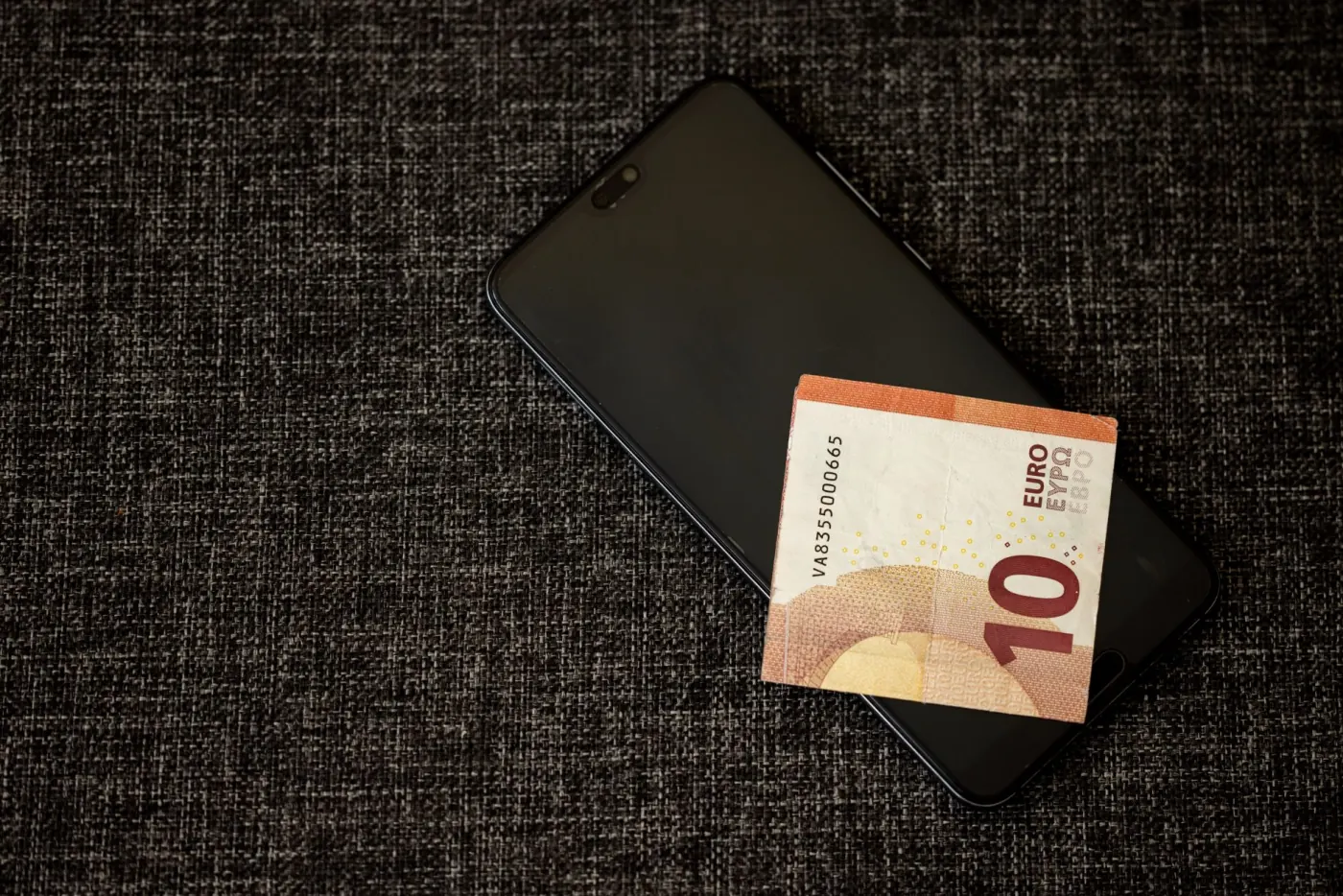
Freelancers compare hourly rates obsessively and then lose five to eight percent of every invoice to a payment chain they never audited. Run the numbers once: platform commission, withdrawal fee, currency conversion spread, and the local bank’s incoming charges. On a thousand-dollar invoice the difference between the best and worst chain is often a full day’s pay. If a client can pay by SWIFT to a self-employed freelancer’s account, that is usually the cheapest documented route; Payoneer buys convenience with margin.
Mistakes that cost real money
- Receiving client money on a relative’s card — undocumented, unprovable income, and a problem the moment amounts grow.
- Quoting rates without fees: your $25/hour is $23 and change after the chain. Quote knowing your net.
- Ignoring the contract: even a one-page agreement with a foreign client makes bank compliance conversations trivial instead of stressful.
- Waiting to formalize: registering as self-employed after a year of transfers invites questions registering on day one never raises.
Freelance income and your next job interview
Freelance work counts as experience — if you can talk about it like an engineer. Interviewers at Tashkent companies hear “I did freelance projects” daily; what they rarely hear is a crisp story: the client’s problem, the constraint, the decision you made, the measurable result. Practice telling two of those stories out loud before your next interview, the same way you would rehearse an algorithm. A mock interview is the fastest way to find out whether your freelance years sound like experience — or just like time.
Comments · 0 comments
Sign in to leave a comment or rating.
Sign in →No comments yet. Be the first to share your take.